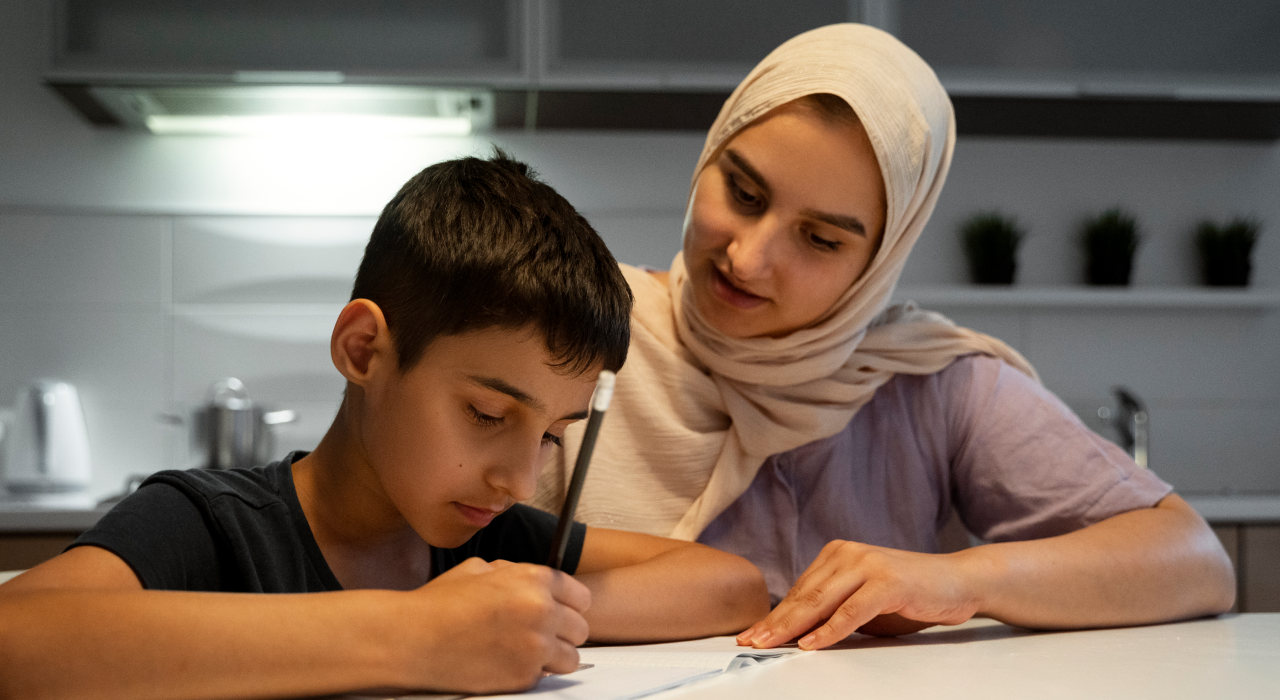

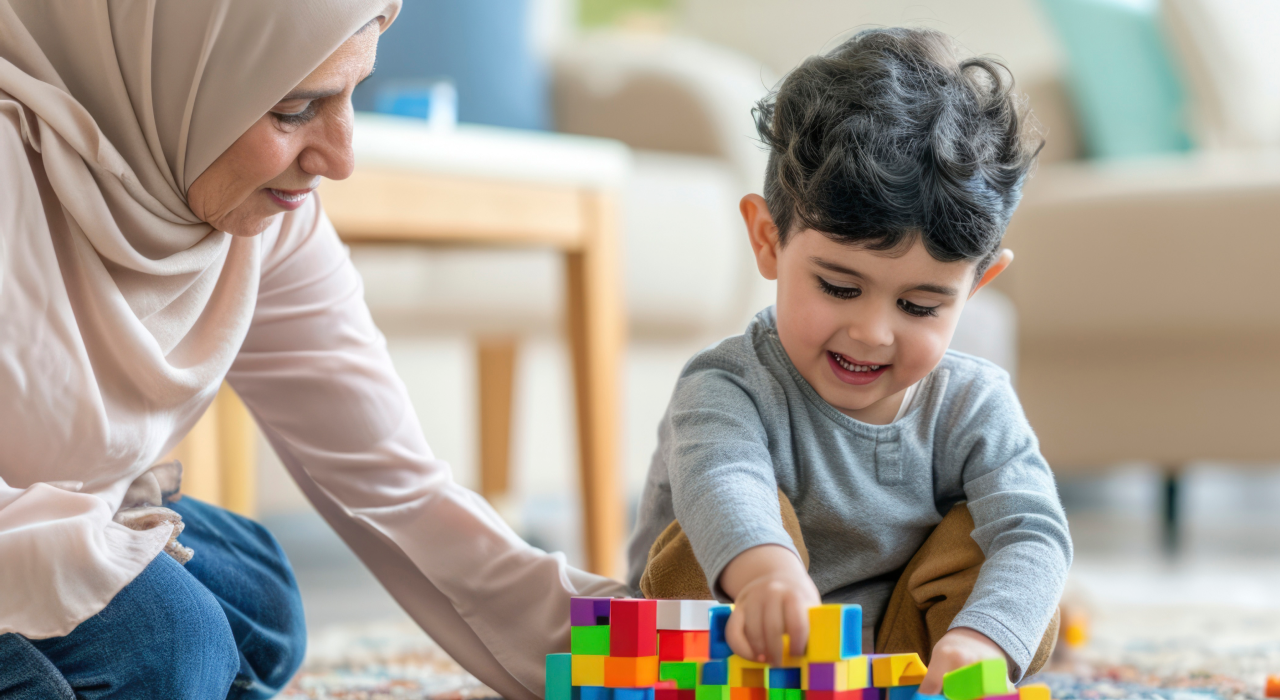
Arabic is often taught through repetition and memorization—but for young children, this approach rarely works. Toddlers and kids learn differently. They need to see, hear, and connect before they can remember.
This is where visual learning outperforms traditional memorization. At Rawalearning.com, Arabic education is built around how children naturally learn—not how adults expect them to.
The Problem With Memorization-Based Arabic Learning
Memorization focuses on repeating words or letters without context. For young learners, this often leads to:
- Quick forgetting
- Low engagement
- Frustration and resistance
- Inability to apply what they memorized
Children may repeat Arabic words correctly today—but forget them tomorrow.
What Is Visual Learning?
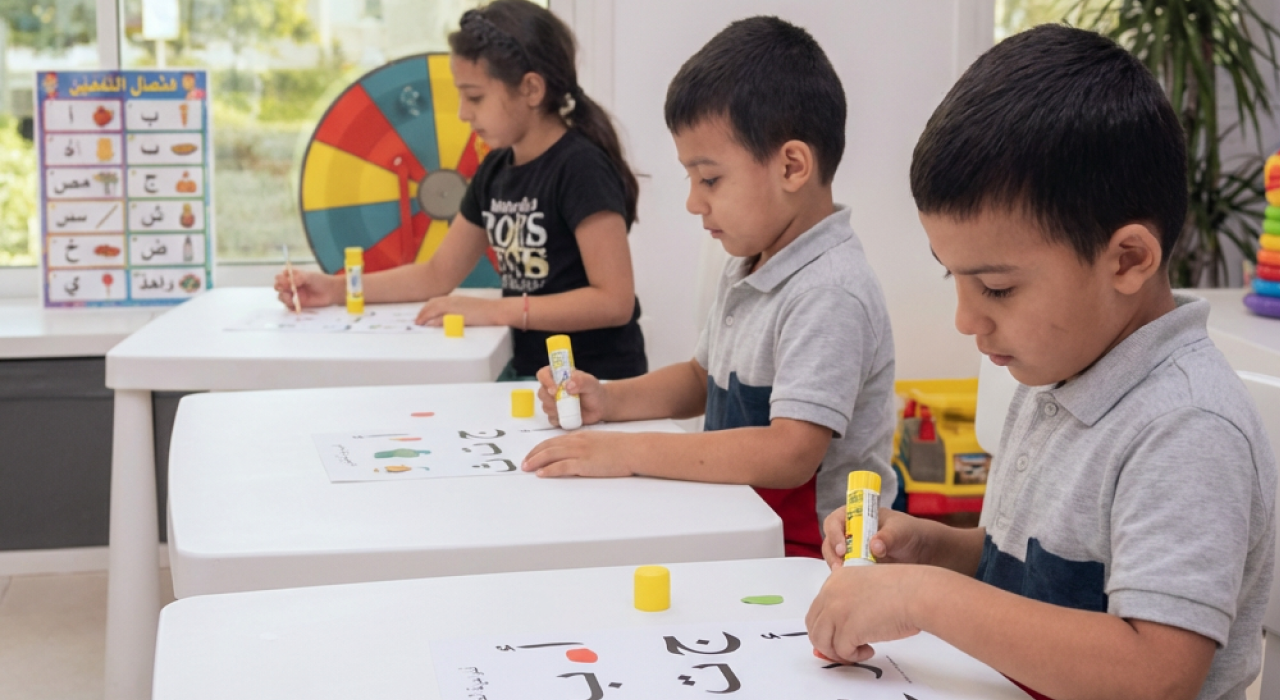
Visual learning uses images, colors, movement, and storytelling to help children understand before they memorize.
Visual Learning Includes:
- Picture-word associations
- Animated storytelling
- Color-coded letters and sounds
- Real-life object connections
This method helps children attach meaning to Arabic words instead of memorizing them in isolation.
Why Visual Learning Works Better for Arabic
1. Arabic Is a Visual Language
Arabic letters change shape depending on position. Visual exposure helps children:
- Recognize letter forms naturally
- Understand connections between letters
- Read without confusion
Memorization alone cannot teach this effectively.
2. Stronger Memory Retention
When children see and hear a word together, retention increases significantly. Visual cues act as memory anchors.
3. Better Pronunciation
Visual learning paired with audio helps children:
- Match sounds to symbols
- Improve listening accuracy
- Develop correct pronunciation early
Why Memorization Still Has a Role (But Not First)
Memorization is useful after understanding is built.
The Right Order:
- Visual exposure
- Meaning and context
- Repetition
- Memorization
Skipping steps leads to weak foundations and learning gaps.
How Rawa Learning Combines Both—Correctly
✔ Visual-First Curriculum
Children learn Arabic through images, stories, and guided interaction before repetition begins.
✔ Short, Focused Lessons
This keeps attention high and avoids cognitive overload.
✔ Progressive Reinforcement
Words and letters reappear in different visual contexts, strengthening long-term memory.
✔ Designed for Toddlers & Kids
No adult grammar rules. No forced memorization.
Visual Learning vs Memorization: Side-by-Side
| Visual Learning | Memorization |
| Meaning-based | Recall-based |
| High engagement | Low engagement |
| Long-term retention | Short-term recall |
| Child-friendly | Adult-oriented |
What Parents Should Look for in Arabic Programs
Choose programs that:
- Use strong visual cues
- Limit rote memorization
- Focus on understanding first
- Keep lessons short and interactive
This approach builds confidence and real language ability.
Final Thoughts
Memorization alone doesn’t teach children Arabic—it teaches them to repeat without understanding.
Visual learning builds the foundation that makes memorization effective, not frustrating.
👉 Discover child-centered Arabic learning at Rawalearning.com—where understanding comes before repetition.