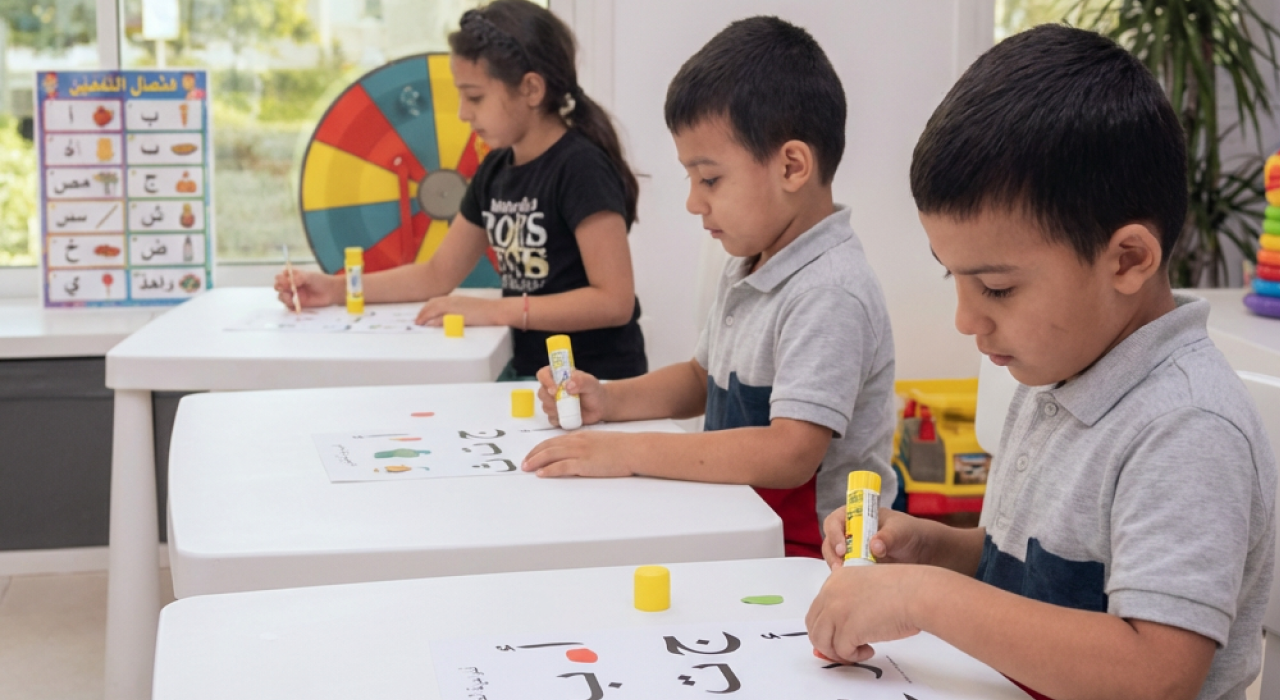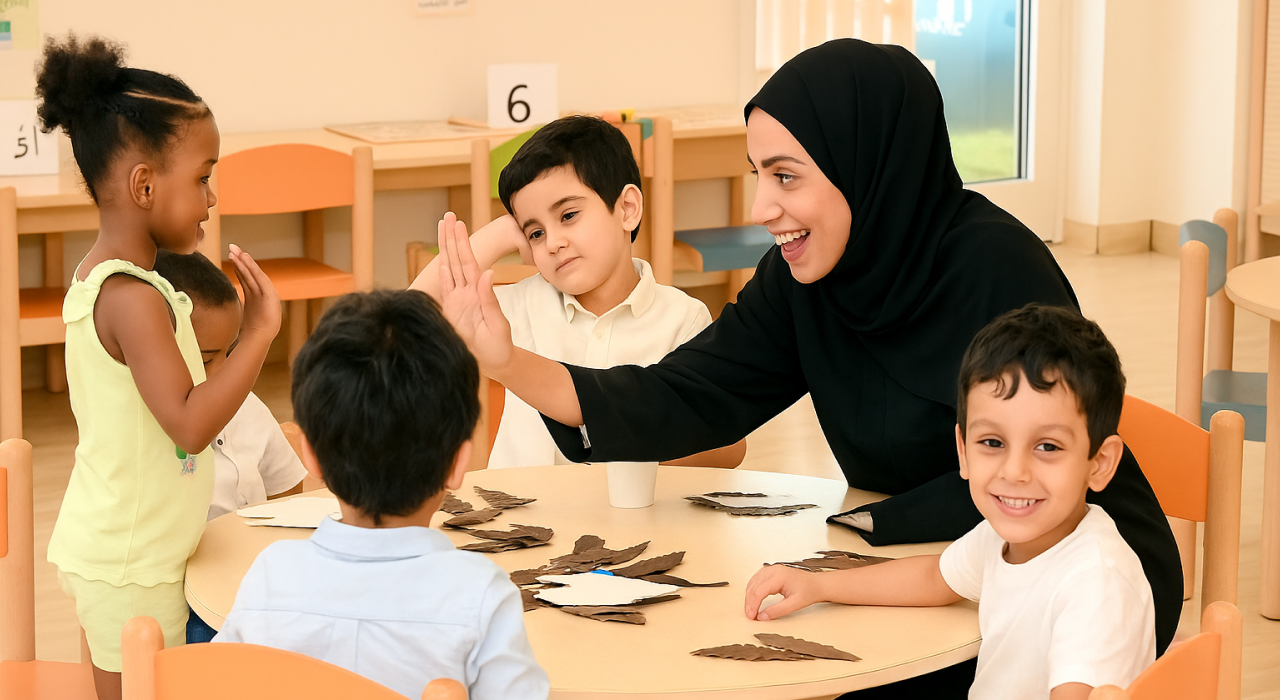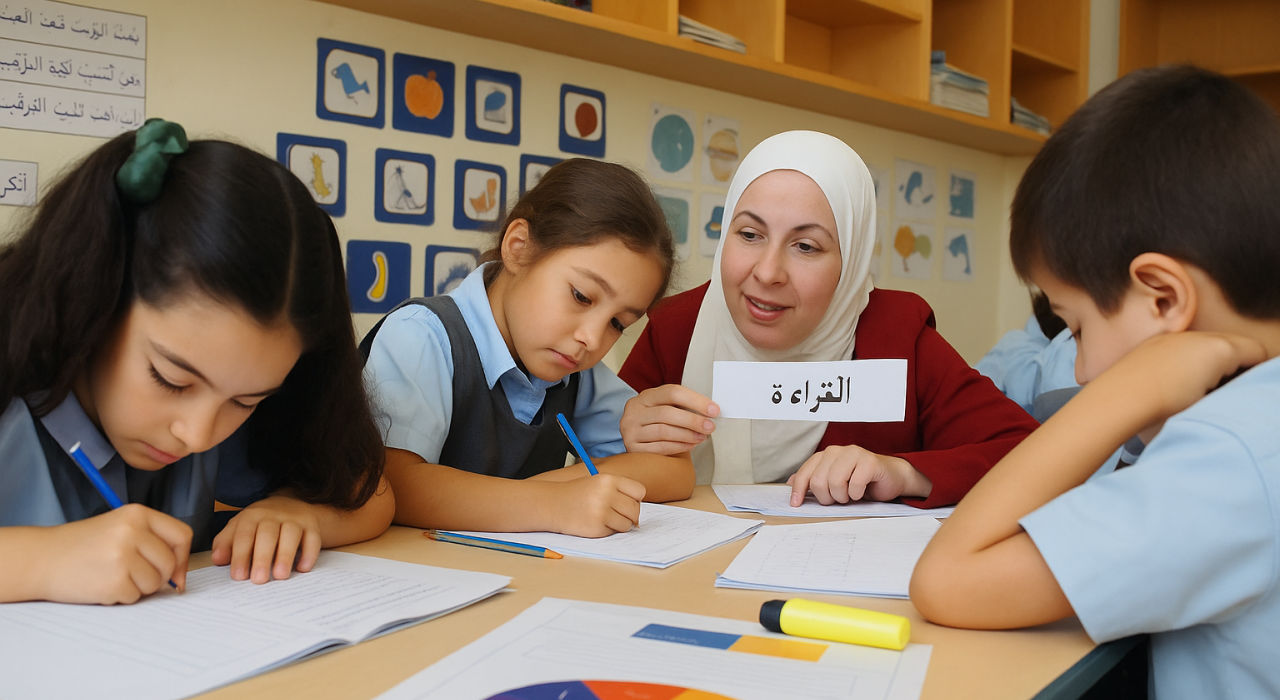

Many parents ask the same question: what is the best age to start learning Arabic for children?
The short answer is the earlier, the better — but how you start matters more than when.
In this guide, we explain the ideal age to introduce Arabic, what children can learn at each stage, and how parents can support learning naturally.
What Is the Best Age to Start Learning Arabic?
Children can start learning Arabic as early as 2–3 years old. At this age, they don’t learn through rules or memorization — they learn through listening, repetition, and play.
Research shows that young children:
- Pick up pronunciation more easily
- Learn sounds naturally
- Develop stronger listening skills
Starting early helps Arabic feel natural, not forced.
Arabic Learning by Age Group
Ages 2–3: Listening & Exposure
This stage is about hearing Arabic, not speaking perfectly.
Children can:
- Recognize common Arabic sounds
- Learn basic words (colors, animals, greetings)
- Enjoy Arabic songs and stories
👉 Focus: Listening and fun
Ages 4–5: Speaking Simple Words
At this age, children begin to repeat and respond.
Children can:
- Say short words and phrases
- Answer simple questions
- Follow basic instructions in Arabic
Focus: Speaking without pressure
Ages 6–7: Building Confidence
Children can now start forming simple sentences.
Children can:
- Use everyday vocabulary
- Understand short conversations
- Begin recognizing Arabic letters
Focus: Confidence and consistency
Ages 8+: Structured Learning
Older children can handle more structure.
Children can:
- Read and write Arabic
- Understand grammar basics
- Hold short conversations
Focus: Reading, writing, and comprehension
Is It Ever Too Late to Start Learning Arabic?
No. Children can learn Arabic at any age.
However, starting early gives them:
- Better pronunciation
- Less fear of speaking
- Stronger language foundation
Even older children can succeed with the right teaching approach.
Why Starting Arabic Early Is Easier for Kids
- Young brains absorb sounds faster
- Children are not afraid of making mistakes
- Learning feels like play, not study
- Builds confidence early
This is why early exposure leads to long-term success.
How Parents Can Support Arabic Learning at Home
You don’t need to speak Arabic fluently.
Parents can:
- Play Arabic songs daily
- Read simple Arabic stories
- Use Arabic words in daily routines
- Choose a child-friendly learning program
Consistency matters more than long study sessions.
How Rawa Learning Helps Children Learn Arabic
Rawa Learning focuses on:
- Age-appropriate lessons
- Fun, interactive learning
- Speaking confidence
- Gentle progress without pressure
Our programs are designed for toddlers and young children, helping them learn Arabic naturally and happily.
Final Thoughts
The best age to start learning Arabic for children is early, ideally between 2–5 years old.
But no matter when your child starts, the key is fun, consistency, and the right method.
Early exposure builds confidence — and confidence builds fluency